

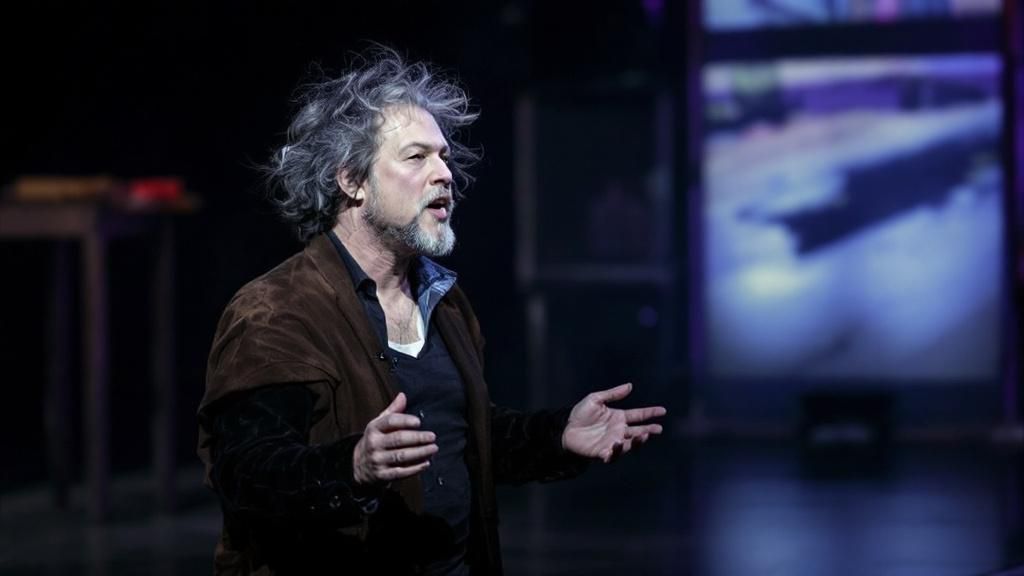
The National Theatre has unveiled an ambitious new programme designed to democratise access to classical drama throughout the United Kingdom. This innovative initiative seeks to bring internationally acclaimed stage productions to communities far beyond London’s West End, guaranteeing that audiences in rural and underserved regions can encounter Shakespeare, Chekhov, and modern adaptations of classic works. Through innovative touring schemes, online channels, and strategic alliances, the theatre is significantly transforming how Britain engages with dramatic literature, establishing quality theatre an fundamental access point rather than a privilege.
Making Theatre Accessible to World-Class Theatre
The National Theatre’s scheme represents a significant transformation in how period plays reaches patrons across the Britain. By overcoming distance limitations and financial constraints, the programme secures that communities in remote locations and economically disadvantaged regions can enjoy shows once exclusive to the capital’s prestigious theatres. This commitment to inclusivity reflects a fundamental belief that dramatic quality should not be determined by location or spending power, but rather allocated equally across all individuals regardless of their situations.
Through strategic partnerships with regional theatres, educational institutions, and local arts organisations, the National Theatre is creating sustainable pathways for engagement with classical works. The programme includes productions on tour, discounted ticket programmes, and locally-driven versions that foster local engagement and cultural investment. By developing these collaborative ties, the theatre transforms from a London-focused venue into a dispersed system of artistic quality, ensuring that the life-changing influence of drama becomes truly available to theatre-goers across the country.
Digital Advancement and Community Engagement
The National Theatre’s plan relies on cutting-edge digital technology to extend its reach nationwide. By leveraging streaming platforms and online productions, the institution enables simultaneous access to performances for audiences unable to attend in-person. This technical systems opens up cultural engagement, letting people from Cornwall to the Scottish Highlands to experience world-class performances from home. The initiative also features engaging online tools, instructional content, and behind-the-scenes content, enriching the theatrical experience beyond conventional live theatre and building stronger connections with traditional theatrical works.
Equally noteworthy are the collaborative relationships forged with theatre venues across regions, local councils, and grassroots organisations throughout the United Kingdom. These working relationships guarantee productions appeal to varied audience groups whilst bolstering community cultural foundations. The National Theatre provides funding, expertise, and artistic direction to partnering organisations, building sustainable cultural ecosystems in communities lacking cultural investment. By working alongside local institutions rather than applying London-based criteria, the initiative honours community character whilst maintaining creative quality. This partnership model changes classical drama into a genuinely nationwide endeavour, establishing theatrical culture within communities and establishing permanent cultural impact.
Influence and Long-Term Outlook
The initiative’s effect goes well past simple attendance numbers, fundamentally transforming cultural involvement across the nation. Regional theatre venues document record engagement figures, with audiences discovering fresh appreciation for traditional theatre pieces once regarded as inaccessible. Communities that historically lacked theatrical infrastructure now experience live performances, educational programmes, and behind-the-scenes insights. This democratization cultivates a more inclusive cultural landscape, motivating young people to engage with dramatic literature as an integral component of their educational and social development.
Looking ahead, the National Theatre envisions sustained expansion of this groundbreaking scheme throughout the coming decade. Planned capital allocation in technological infrastructure will expand reach, allowing simultaneous broadcasts and immediate viewing to recorded performances. Collaborations involving schools and universities will integrate traditional theatre within educational programmes, cultivating sustained enthusiasm for stage performance. The programme represents a significant milestone, setting the idea that outstanding theatre productions constitute a essential cultural access rather than an exclusive London-based privilege.
As this innovative project keeps developing, its success hinges on continuous investment, audience involvement, and collaborative partnerships. The National Theatre continues to be focused on evaluating effectiveness through audience feedback, attendance metrics, and learning results, ensuring accountability and sustained enhancement. This pioneering initiative signals a significant change in British society’s cultural outlook, establishing that classic plays is accessible to everyone.
